Réservez votre billet d’avion et rejoignez le centre ville depuis l’aéroport au meilleur prix.
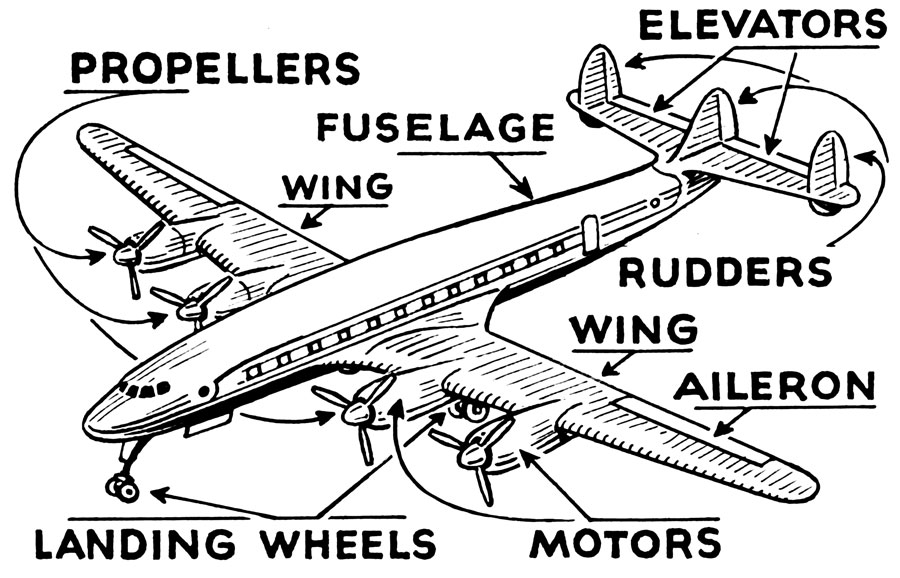
Vol : Pour un billet d’avion pas cher
Quelques astuces pour payer moins cher vos billets d’avions :

Comparer d’avant d’acheter. Avant d’acheter votre billet d’avion, comparez les prix des vols. Les compagnies low cost (Easyjet, Ryan Air…) ne sont pas forcément les moins cheres. Les différences entre les compagnies aériennes peuvent être hallucinantes. Pour un billet d’avion au meilleur prix, un conseil, utilisez un ou plusieurs comparateurs de vols comme Skyscanner.

Simuler l’achat du billet. Au dela du prix affiché, pensez à ajouter quelques dizaines d’euros par bagage. Aussi il est bon de faire la simulation de prix jusqu’au bout pour connaitre le prix réel. Certaines compagnies dont Easyjet, vous font payer différemment selon si vous payez avec une carte de crédit Mastercard, une carte bleue ou une Visa.

Partir le week end. Les départs sont toujours plus chers pendant les jours de week-end, aussi préférez réserver un vol les jeudi, vendredi ou lundi.

Partir hors saison. Partir en pleine saison ou durant un évènement très suivi (fête nationale, salon/foire ou match de foot) vous reviendra évidemment plus cher que de partir à la basse saison.
Navette : Aéroport > Centre ville
Rejoindre le centre ville depuis l’aéroport peut vite être une galère ou couter quelques euros de trop.
Retrouvez nos articles par ville pour moins dépenser d’énergie et d’argent :
- Rejoindre le centre ville d’Amsterdam depuis l’aéroport Schipol
- Rejoindre le centre ville d’Amsterdam depuis l’aéroport d’Eindhoven
- Rejoindre le centre ville de Barcelone depuis l’aéroport El Prat
- Rejoindre le centre ville de Berlin depuis l’aéroport Tegel ou Schonefeld
- Rejoindre le centre ville de Bologne depuis l’aéroport
- Rejoindre le centre ville de Budapest depuis l’aéroport Ferenc Liszt
- Rejoindre le centre ville de Cracovie depuis l’aéroport Jan Pawel 2
- Rejoindre le centre ville d’Edimbourg depuis l’aéroport
- Rejoindre le centre ville de Fès depuis l’aéroport
- Rejoindre le centre ville de Gênes depuis l’aéroport
- Rejoindre le centre ville de Glasgow depuis l’aéroport
- Rejoindre le centre ville de Hanoi depuis l’aéroport
- Rejoindre le centre ville de Lisbonne depuis l’aéroport
- Rejoindre le centre ville de Londres depuis les aéroports de Heathrow, Gatwick, Standsted, Luton
- Rejoindre le centre ville de Lyon depuis l’aéroport Saint Exupéry
- Rejoindre le centre ville de Marrakech depuis l’aéroport
- Rejoindre le centre ville de Naples depuis l’aéroport
- Rejoindre le centre ville de Palerme depuis l’aéroport
- Rejoindre le centre ville de Porto depuis l’aéroport
- Rejoindre le centre ville de Prague depuis l’aéroport Vaclav Havel
- Rejoindre le centre ville de Rome depuis les aéroports Ciampino
- Rejoindre le centre ville de Riga depuis l’aéroport
- Rejoindre le centre ville de Séville depuis l’aéroport
- Rejoindre le centre ville de Prague depuis l’aéroport Vaclav Havel
- Rejoindre le centre ville de Rome depuis les aéroports Ciampino
- Rejoindre le centre ville de Turin depuis l’aéroport
- Rejoindre le centre ville de Varsovie depuis l’aéroport
- Rejoindre le centre ville de Wroclaw depuis l’aéroport